
Jim Pavlik
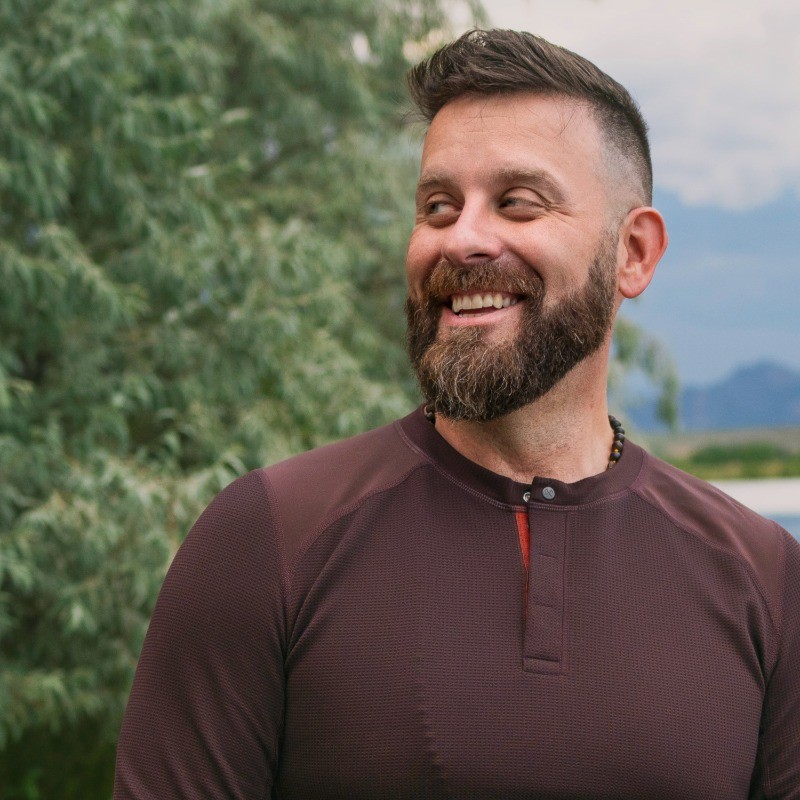
My relationship with these medicines goes back long before I had a professional framework for any of it. For most of my adult life, psychedelics were woven into my intellectual, philosophical, and spiritual development. Psilocybin specifically became something I brought to meditation and long hikes in the mountains — a way of deepening my relationship to the natural world rather than escaping it.
My approach to behavior change has always been analytical. I was trained as a behavioral analyst and that’s how I worked in community mental health — methodical, data-attentive, systems-oriented. That foundation never left me. What changed was reading Matt Johnson’s research on psilocybin for tobacco cessation and recognizing something beyond the data which I had already lived. These molecules didn’t just change my life. The power I felt in them wasn’t a drug-induced hallucination; it was real. And others could be taught to work with them the way I had been working with them to transform themselves. And that’s why I got trained as a facilitator, first as a non-licensed coach and then through Colorado’s licensed facilitator pathway.
I’d describe my philosophical grounding as Buddhism-informed in the Alan Watts tradition — less concerned with doctrine than with direct experience, impermanence, and the dissolution of the illusion of a fixed self. I try to hold the science and the sacred without collapsing one into the other. Both are real and necessary.